
Cancore Building Services
How the systems built to run a commercial property services company became the reason it could buy another one.

Case Study
FOUNDER CASE STUDY · BEFORE ERAKRAFT
Industry
Commercial Property Maintenance Services
Services
Window Cleaning · Pressure Washing · Landscaping · Snow Removal
Team Size
30+

The Problem
Cancore serviced large commercial portfolios and condominium properties across window cleaning, pressure washing, landscaping, and snow removal. The work was high-quality, but the systems and procedures behind it did not exist. What a particular property needed, how a contract got priced, which crew knew that site, what materials to load on the truck, all of it was locked in people's heads. And when someopne wopuld quit, those details would walk out the door with them. That works right up until it doesn't. A system that only exists in someone's memory cannot be taught quickly or handed off. A property cannot be handed to a different crew without a long conversation and a reliable memory. And growth means adding more people who need more of somebody else's time. Every new job made the business a little more dependent on the handful of people who remembered how things were done.
The Solution
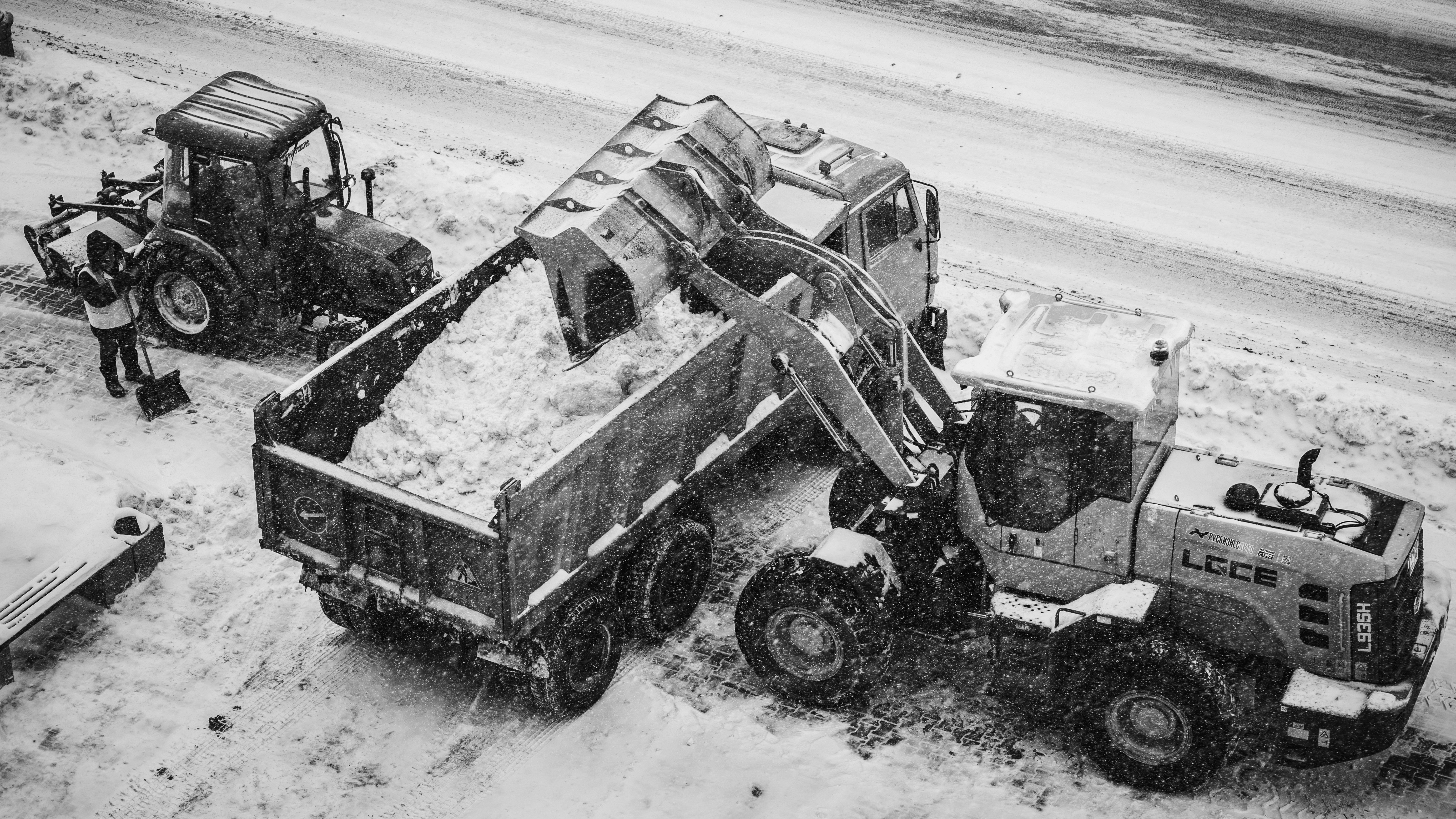
On the sales side that meant a real team structure, a structured outbound motion, prospecting, estimating, and pipeline reporting. For the first time the pipeline was something that could be looked at and managed instead of guessed at. The team was trained on one method rather than each person inventing their own, which is what kept the growth going as headcount grew. On the operations side it was job scopes for every property so the work got defined the same way every time, dispatch for the landscaping and snow removal crews, standard site procedures and checklists so a crew arrived knowing exactly what that site required, and material inventory so the trucks were loaded right before they left. Most of it was simply writing down what good people already did well, so it stopped depending on those specific people being there on that specific day. The real test came in the fall of 2022, when Cancore acquired Summit Group. Summit was a solid business, but their operations were outdated and largely undocumented, much the way Cancore's had been a few years earlier. Their scopes, their pricing, and their site knowledge lived with their people. Their schedules were written in dry-erase market on a whiteboard, one smudge away from disaster. That is the part most owners underestimate about selling their business. A buyer taking on a company like that is buying the customers and the crews, and inheriting the risk that everything those people know walks out the door with them. It is why undocumented businesses get discounted, and why some of them never sell at all. Because the work had already been done on the Cancore side, there was somewhere to put it. Summit's properties were scoped the Cancore way, their crews ran through the same dispatch process, and their sites got the same procedures, checklists, and material lists. Instead of running two companies side by side and hoping they would eventually converge, Summit's work was folded into how Cancore already operated. It worked, not because of cleverness in the moment, but because there was a proactive, documented system to absorb them into. Why this worked: Written down, the work could be taught and handed to any crew. The business stopped losing capability every time someone left. Year one grew on one person selling well. Year two grew on a method anyone could be taught. A buyer only pays for the second one. An acquisition is only as clean as the system you fold it into. Cancore had somewhere to put Summit, instead of two undocumented companies running their own way.

FROM THE FOUNDER

Blair Bouchard
Founder, erakraft

More projects